
Buddhist Funeral Package: A Complete Guide to Meaningful and Respectful Arrangements
A Buddhist Funeral Package is thoughtfully designed to uphold sacred Buddhist traditions while supporting families during one of life’s most difficult moments. In Buddhism, death is not seen as a final ending but as a transition within the continuous cycle of rebirth. Funeral rites are therefore deeply spiritual, focusing on merit-making, chanting, and guiding the departed toward a peaceful next existence. Choosing the right package ensures that every ritual is conducted properly, respectfully, and in alignment with religious teachings.
The Spiritual Meaning Behind Buddhist Funeral Rites
Buddhist funeral practices originate from the teachings of Gautama Buddha, who emphasized impermanence (anicca), compassion, and detachment from worldly attachments. According to Buddhist belief, life and death are part of samsara—the ongoing cycle of birth, death, and rebirth. The purpose of funeral rites is not only to honor the deceased but also to generate positive karma that may assist in achieving a favorable rebirth.
Rather than encouraging prolonged sorrow, Buddhist ceremonies promote calm reflection and acceptance. The rituals remind attendees that all conditioned things are temporary, helping families cope with grief through spiritual understanding.
What a Buddhist Funeral Package Typically Includes
A well-structured Buddhist Funeral Package provides comprehensive arrangements to ensure that all ceremonial and practical needs are met. While details vary according to cultural background and family preference, most packages include the following essential components:
1. Casket and Body Preparation
The package generally includes a dignified casket that reflects Buddhist values of simplicity and humility. Body preparation is handled with great care and respect. In many Buddhist traditions, elaborate cosmetic procedures are minimized to honor the belief in non-attachment to the physical form.
The deceased is usually dressed in modest clothing, symbolizing equality and the transient nature of material possessions.
2. Wake and Memorial Setup
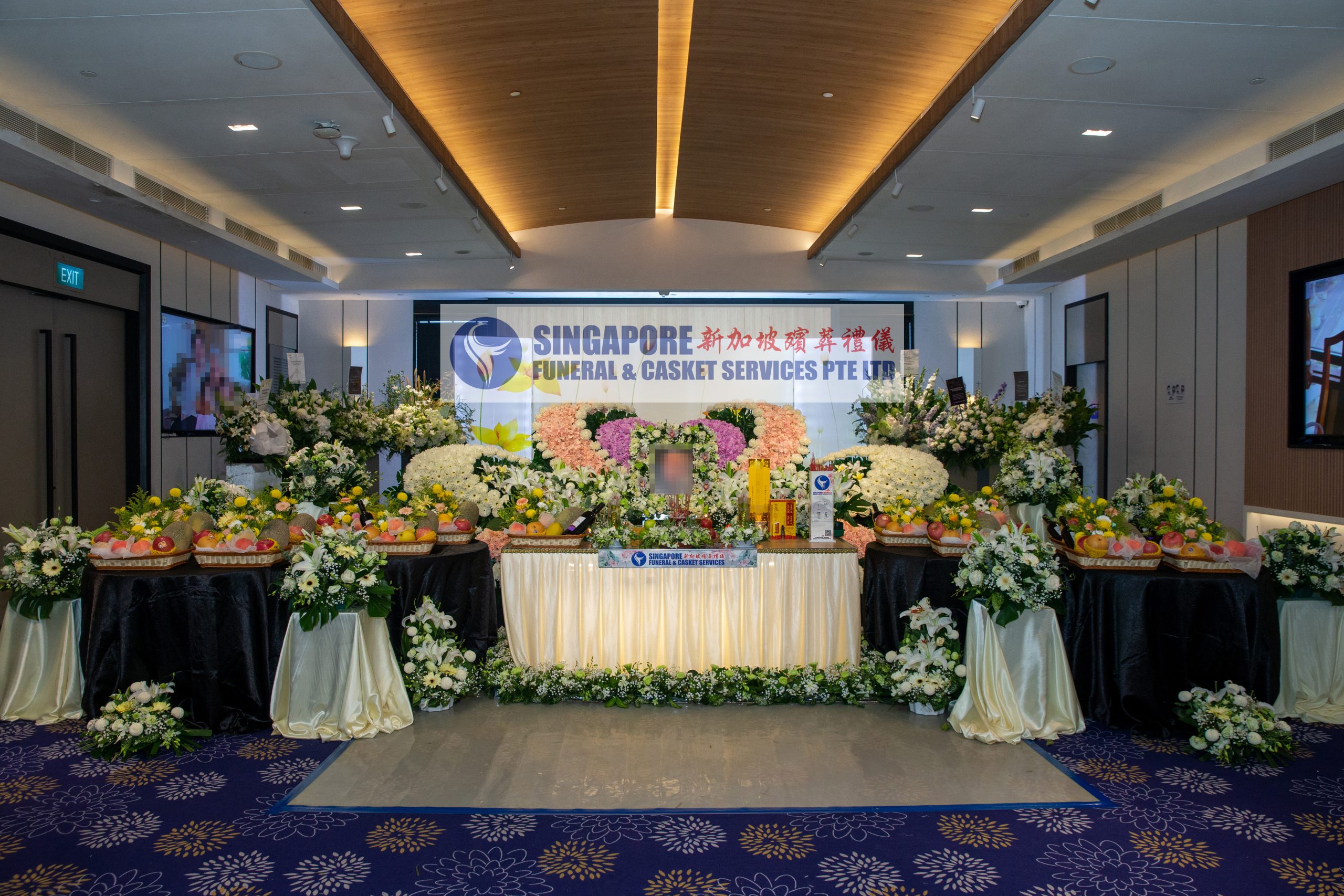
A wake may be held for several days, often ranging from three to five days depending on tradition. The wake setting typically includes:
-
A framed photograph of the deceased
-
An altar with candles and incense
-
Fresh flowers symbolizing impermanence
-
Offerings such as fruits and vegetarian dishes
-
Buddhist images or statues
The environment is peaceful and orderly, allowing family and friends to pay respects, offer condolences, and participate in prayer sessions.
3. Monk Chanting and Sutra Recitation
Chanting by monks is central to a Buddhist funeral. The recitation of sutras—sacred scriptures containing the Buddha’s teachings—is believed to generate merit and provide spiritual guidance for the deceased.
The chanting serves multiple purposes:
-
Assisting the deceased in transitioning peacefully
-
Accumulating positive karma
-
Offering emotional comfort to grieving loved ones
-
Reinforcing Buddhist teachings about impermanence
The number of monks and duration of chanting depend on family preferences and specific Buddhist traditions. Offerings and honorariums for monks are often arranged as part of the package.
4. Ritual Items and Ceremonial Arrangements
A complete Buddhist Funeral Package ensures that all necessary ritual materials are prepared, including:
-
Incense sticks and holders
-
Candles and lanterns
-
Prayer mats
-
Offering tables
-
Memorial wreaths
-
Joss paper (in certain traditions)
These items create a sacred and respectful atmosphere aligned with Buddhist customs.
5. Funeral Procession and Final Rites
Cremation is widely practiced in many Buddhist communities, symbolizing the impermanence of the body. However, burial may also be chosen depending on family customs or cultural background. The package typically includes transportation services, coordination with crematoriums or cemeteries, and ceremonial support during the final rites.
Chanting often continues during the procession, maintaining a serene and spiritually focused environment.
Cultural Variations in Buddhist Funeral Practices
Although Buddhist funeral principles remain consistent, practices vary across different regions and communities.
Chinese Buddhist Traditions
Chinese Buddhist funerals often incorporate cultural elements influenced by Confucian and Taoist traditions. Wakes may extend for multiple days, and family members typically wear white or black mourning attire. Paper offerings symbolizing money or personal belongings may be burned to support the deceased symbolically in the next life.
Japanese Buddhist Traditions
In Japanese Buddhism, the deceased may receive a posthumous Buddhist name from a monk. Memorial services are frequently observed on significant days such as the 7th, 49th, and 100th days after death, marking important spiritual transitions.
Tibetan Buddhist Traditions
Tibetan Buddhist funerals may involve specific prayers and rituals performed by lamas. Certain regions practice unique ceremonial customs, while cremation remains common in many areas.
Selecting a Buddhist Funeral Package that respects these cultural distinctions ensures authenticity and proper observance.
The Role of Merit-Making
Merit-making is a fundamental aspect of Buddhist funeral services. Acts of generosity—such as offering food to monks, donating to temples, or contributing to charitable causes—are believed to transfer positive karma to the deceased.
This spiritual dimension brings comfort to families, as they feel actively involved in supporting their loved one’s journey beyond this life.
Emotional and Spiritual Support for Families
Beyond ceremonial arrangements, a Buddhist Funeral Package provides structured guidance during an emotionally overwhelming time. Professional coordination ensures that rituals are conducted smoothly and respectfully, reducing stress for family members.
Buddhist teachings encourage mindfulness and acceptance. The calm atmosphere created by chanting, incense, and prayer fosters reflection rather than despair. The ceremony becomes a sacred space where grief is acknowledged with dignity and spiritual awareness.
Post-Funeral Memorial Services
In many Buddhist traditions, the funeral is only the beginning of a longer period of remembrance. Families may observe memorial rites on important days, particularly the 49th day, which is often considered spiritually significant in determining the deceased’s rebirth.
Some packages provide guidance for arranging these subsequent memorial services, ensuring continuity in honoring the departed.
Symbolism Within the Ceremony
Every element of a Buddhist funeral carries symbolic meaning:
-
Incense represents moral purity and mindfulness.
-
Flowers remind attendees of life’s fleeting nature.
-
Chanting connects participants to the teachings of the Buddha.
-
Offerings symbolize generosity and compassion.
-
Lighted candles signify wisdom illuminating the path forward.
These symbols transform the funeral from a simple farewell into a deeply meaningful spiritual experience.
Modern Considerations and Eco-Friendly Options
Many families today seek environmentally responsible funeral arrangements. Simple wooden caskets, minimal floral displays, and eco-conscious cremation options align well with Buddhist values of simplicity and respect for nature.
A flexible Buddhist Funeral Package can incorporate modern preferences while maintaining spiritual integrity and traditional authenticity.
Why Choosing the Right Buddhist Funeral Package Matters
Selecting a comprehensive Buddhist Funeral Package ensures:
-
Religious traditions are properly observed
-
Ritual accuracy is maintained
-
Cultural customs are respected
-
Financial transparency is provided
-
Families receive compassionate and professional support
Proper planning minimizes confusion, allowing loved ones to focus on prayer, reflection, and remembrance.
A Meaningful Farewell Rooted in Compassion
At its heart, a Buddhist funeral is an expression of compassion—for the departed and for those left behind. The ceremony reflects the core teachings of Buddhism: impermanence, mindfulness, and loving-kindness. Through chanting, offerings, and shared presence, families create a peaceful environment that honors a life lived while guiding the soul toward its next chapter.
A thoughtfully arranged Buddhist Funeral Package offers more than logistical convenience. It provides spiritual clarity, emotional reassurance, and a dignified framework for farewell. In moments of loss, such guidance becomes invaluable—ensuring that every prayer, every ritual, and every gesture of respect is carried out with sincerity and grace.